 The Largest Number of Homes for Sale
Home inspection: 10 myths to debunk before buying
Buying a home is often a once-in-a-lifetime investment. Despite this, many prospective buyers still hold misconceptions about pre-purchase inspections. Some believe it is unnecessary or superfluous, when in fact it is one of the most critical steps in a real estate transaction , helping to identify potential issues and provide a more accurate picture of a building’s condition.
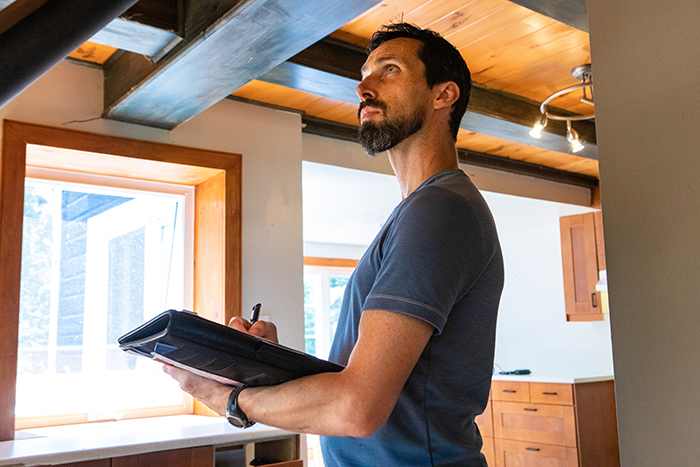
As government consumer protection resources remind us, the inspection is a key tool for making an informed decision. In a real estate market where every decision can have significant repercussions, it becomes essential to distinguish between myths and realities.
Myth 1: Pre-purchase inspections are mandatory in Quebec
Contrary to popular belief, pre-purchase inspections are generally not mandatory in Quebec. In some cases, however, a financial institution may require one, particularly if the property has unique features or is quite old.
In any case, it remains highly recommended. It allows you to:
- Better understand the condition of the building
- Identify potential problems
- Avoid unexpected expenses
In a highly competitive market, some buyers may be tempted to waive this condition to make their offer to purchase more attractive. However, this decision increases the risk of discovering costly or complex problems after the fact.
Furthermore, the regulatory framework is evolving: certain measures aim to make inspections mandatory for residential buildings 25 years old and older.
Myth 2: A new house or condo doesn’t need an inspection
Even a recently built property may have defects that aren’t visible at first glance.
New build
The pre-acceptance inspection, provided for in the Garantie Construction Résidentielle (GCR), allows you to verify the condition of the building before the keys are handed over. Its primary purpose is to identify apparent defects and work that needs to be corrected.
However, it does not replace a more comprehensive independent pre-purchase inspection. Certain defects or substandard installations may go unnoticed, and even a new build may be subject to corrective notices from the Régie du bâtiment du Québec if it does not comply with current standards.
Condo
In the case of a condo, the inspection should not be limited to the unit itself. It should include:
- The visible components of the unit
- The common areas
- The co-ownership documents
These checks help anticipate potential future repairs or expenses. For more details, it may be helpful to review the items to check before buying a condo.
Myth 3: Anyone can perform a pre-purchase inspection
This is false. A pre-purchase inspection requires technical expertise and adherence to specific criteria. It also requires appropriate training and a solid understanding of the building, its components, and applicable standards.
According to industry best practices, an inspection should meet four key requirements:
- Professional liability insurance
- A service agreement specifying the scope of the inspection
- Compliance with recognized building inspection standards
- The provision of a detailed written report
These elements ensure that the home inspection is conducted rigorously and in accordance with industry standards.
The profession is also in the process of being better regulated, particularly following new regulatory measures, with mandatory certification expected by 2027. Until then, it is recommended to verify whether the inspector is registered in an official registry or is a member of a recognized association, such as the Association des inspecteurs en bâtiments du Québec (AIBQ), which brings together inspectors across the province.
Myth 4: A home inspection can jeopardize the sale of a property
A pre-purchase inspection is not intended to derail a transaction, but to protect buyers.
In the context of a promise to purchase, the inspection is an important condition. To withdraw from the transaction, it is not enough to identify a minor defect: the problem must be significant enough to influence the decision to buy or the price offered. Specific deadlines must also be met when providing written notice to the seller.
Depending on the nature of the findings, there are various possible outcomes: this may involve proceeding with the transaction as is, renegotiating certain terms, or, in more serious cases, withdrawing from the offer to purchase.
The findings in the report may thus lead to the formulation of a counter-proposal to account for anticipated repairs.
Myth 5: The seller’s declaration replaces the inspection
The seller’s declaration relies on the owner’s knowledge and good faith. It may contain useful information, but it remains limited by what the person knows—or believes they know—about their property.
A pre-purchase inspection, on the other hand, provides an objective and professional assessment of the building’s condition. It helps identify issues, document findings, and, if necessary, recommend further investigations. It is therefore an essential complement, not a substitute.
Another often-overlooked aspect concerns the concept of a prudent and diligent buyer. In the event of a hidden defect, it is generally necessary to demonstrate that all reasonable checks were performed prior to the purchase. Failing to have a home inspected can thus complicate any potential legal recourse.
Myth 6: An inspection guarantees the detection of all hidden defects
This is a common but unrealistic expectation. A pre-purchase home inspection relies primarily on a visual examination of the building’s accessible components. In other words, a hidden defect—by definition concealed—may show no visible signs at the time of the inspection. Rather, the inspection report serves to identify clues, pinpoint anomalies, and, if necessary, recommend further expert assessments.
In some cases, a specialist’s input may be required to investigate a concern further, such as when signs of moisture, structural issues, or problematic materials—like pyrite—are present.
|
|
||
|
Category |
Items inspected (visible and accessible) |
Limitations and items not included (invisible or outside the scope of the inspection) |
|
Structure and exterior envelope |
Visible foundations, accessible framing, roof, exterior siding, doors and windows |
Inside walls, under insulation, hidden cracks or defects, structures hidden by furniture or snow |
|
Electrical and plumbing systems |
Electrical panel, visible circuits, exposed plumbing, water heater, heating and air conditioning |
Underground pipes, hidden wiring, specialized or defective equipment with no visible signs |
|
Moisture and waterproofing |
Signs of moisture, water stains, efflorescence, caulking, visible mould |
Active, non-visible leaks, mould hidden behind walls, latent issues |
|
Safety, compliance, and environmental factors |
Stairs, ramps, railings, balconies, smoke detectors, evacuation points |
Contaminants (asbestos, radon, pyrite), compliance with standards or codes requiring specialized laboratory testing |
|
General operation |
Visual inspection of systems: heating, ventilation, plumbing |
Assessment of lifespan, long-term performance, and hidden developing issues |
Thus, while a pre-purchase inspection is an essential step, it does not provide an absolute guarantee against hidden defects. It is therefore important to better understand how to identify and protect yourself from them, and to be aware of the most common hidden defects.
Myth 7: A home inspection report is a waste of time and money
Although often viewed as an expense, a pre-purchase home inspection is actually an investment. The inspection report provides concrete information that allows you to take action before fully committing to the purchase, particularly by using it as a basis for negotiations.
Specifically, it can be used to:
- Request repairs
- Adjust the purchase price
- Plan a realistic renovation budget
The cost of a home inspection is generally around $750 to $850 for a single-family home, depending on its features. By comparison, some major repairs can cost five or even six figures.
 |
Tips and tricks
Keep your inspection report so you can refer to it after the purchase. It can serve as a roadmap for planning the work, prioritizing repairs, spreading expenses over time, and, if necessary, taking steps to find a renovation contractor . |
Myth 8: An inspection is unnecessary for a sale without a legal warranty
Quite the opposite is true. When buying without a legal warranty, the buyer assumes a greater share of responsibility, with more limited recourse in the event of a problem.
In this context, the pre-purchase inspection becomes a key step in documenting the building’s condition before the purchase and better identifying the actual risks, particularly by highlighting issues that might otherwise go unnoticed.
A sale without a legal warranty also requires heightened vigilance, particularly in certain higher-risk situations, such as:
- An estate sale
- A bank repossession
- A building slated for demolition
- A change in intended use
Above all, the inspection allows you to approach the transaction with full knowledge of the facts, rather than proceeding blindly in a context where protections are limited.
Myth 9: The inspector checks everything, even the pool and hot tub
A pre-purchase inspection primarily focuses on the building’s structural components, such as the framework, roof, plumbing, and electrical systems.
Certain features or fixtures, such as a pool, hot tub, or specialized installations, are generally not included in a standard inspection. Depending on their nature and condition, they may require a separate inspection by a specialist. Organizations like the Association des professionnels de la construction et de l'habitation du Québec (APCHQ) can help you find qualified professionals based on the type of inspection or assessment needed.
Additionally, certain conditions may limit the scope of the inspection. A component that is difficult to access, or a roof covered in snow, cannot be properly assessed during the visit.
Myth 10: The inspector will decide whether or not you should buy
This is a common expectation, but it does not align with the inspector’s role. A building inspector is not a real estate advisor: they do not recommend whether or not to purchase a property.
Their mandate is instead to provide an objective assessment of the building’s visible physical condition and to highlight elements that require monitoring or further inspection. The final decision always rests with the buyers, based on their risk tolerance and their plans.
The real estate broker can then help interpret these findings within the context of the transaction, particularly to guide the next steps. They also have a duty to advise the parties, which includes providing appropriate guidance in light of the inspection results.
Protect your investment with a pre-purchase inspection
When we take a closer look at these myths, it becomes clear that home inspections are often misunderstood. Neither unnecessary nor infallible, they are a key step in making an informed decision—one that should never be based on mere impressions.
Ready to take the next step? Browse properties for sale or work with a real estate broker to move forward with confidence in your project.
FAQ
1. How long does a home inspection take?
A home inspection generally takes between two and three hours, depending on the size, age, and condition of the property.
2. Are the buyer and sellers present during the inspection?
It is recommended that the buyer be present. The seller is generally
absent, unless otherwise agreed upon.
3. How much does a home inspection cost?
The cost of a home inspection generally ranges from $750 to $850, depending on the type of property, its size, and the region.

| The information provided in this article is for informational purposes only and does not constitute financial, legal, professional or other advice or opinions. As such, we make no warranties, express or implied, as to the accuracy, reliability, integrity or exhaustiveness of this information, which you use at your own risk. In no event shall Centris be held liable for actions made on the basis of the information contained in this article or for any damage or loss, direct or indirect, that may result from, or in connection with, the use thereof. We recommended consulting with industry professionals for personalized advice before making any decisions. |
See also:
Pre-Purchase Inspections: What You Should Know