 The Largest Number of Homes for Sale
Eco-friendly landscaping: the keys to a sustainable yard
Long associated with immaculate lawns and meticulously maintained flower beds, the world of landscaping is evolving. More and more homeowners today are opting for outdoor spaces that require less maintenance, use less water, and allow nature to take its course. Discover the principles of eco-friendly landscaping and ideas for creating a pleasant living environment that supports wildlife and is better prepared for the challenges of today and tomorrow.
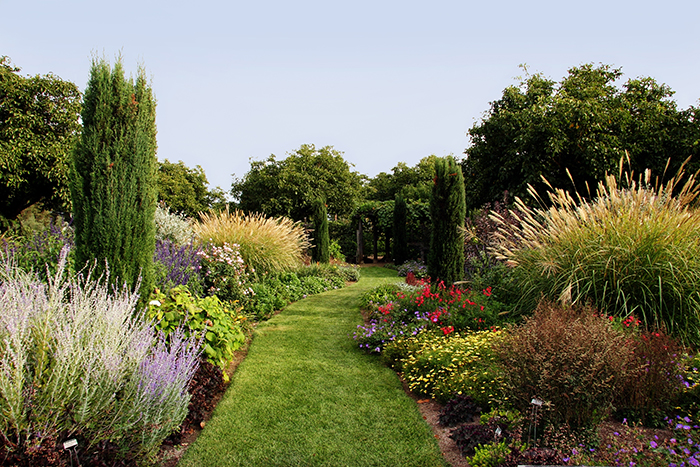
What is eco-friendly landscaping?
The goal of eco-friendly landscaping isn’t just to enhance a yard’s beauty, but to bring a space that’s in harmony with its surroundings to life. This approach aims to balance aesthetics, respect for nature, and responsible use of resources to reduce your property’s environmental footprint without compromising its appearance.
Unlike traditional landscaping, which often relies on large lawns, high-maintenance plants, and intensive upkeep, eco-friendly landscaping prioritizes choices that are in tune with local conditions. This includes plants well-suited to the climate, responsible water management, sustainable materials, and practices that promote healthy soil and wildlife.
The vegetable garden: where beauty meets harvest
Among the approaches gaining popularity is edible landscaping—also known as foodscaping—which involves incorporating edible plants into spaces usually reserved for ornamental plants. Herbs, strawberry and blueberry plants, dwarf apple trees, and ornamental vegetables thus find their place alongside flowers and shrubs.
In addition to beautifying the yard, this practice allows you to harvest fresh produce close to home, make the most of every square metre, and promote biodiversity.
Permaculture: a source of inspiration
This type of eco-friendly landscaping is often inspired by permaculture, an approach that mimics the functioning of natural ecosystems to create productive and resilient spaces. Rather than seeking to control nature, it relies on the interactions between plants, insects, animals, and the soil.
Without completely transforming your property, you can apply some of these principles: plant species where they’ll thrive best, preserve soil fertility, collect rainwater, and diversify your plantings. This will help you create an environment that requires less effort and fewer resources.
Why choose sustainable landscaping?
Both in everyday life and over the long term, this approach offers many benefits:
- A healthier yard:
Plants selected for their suitability to the local environment generally require fewer pesticides, herbicides, and fertilizers, which are often linked to health problems.
- More time to enjoy it:
A well-thought-out design reduces the need for mowing, watering, and maintenance.
- Every drop counts:
Drought-tolerant plants help limit water consumption.
- A haven for biodiversity:
Bees, butterflies, and birds benefit from diverse vegetation that provides them with food and habitat.
- A space that promotes well-being:
Contact with nature is associated with reduced stress and improved well-being.
- A return to our roots:
The popularity of English gardens reflects a desire to reconnect with the charm of yesteryear, simplicity, and a more natural way of living in our spaces.
- Food self-sufficiency is gaining ground:
Foodscaping allows you to harvest fresh, local, and healthy food while helping to reduce grocery costs.
The key principles of eco-friendly landscaping
Designing a more sustainable yard doesn’t mean overhauling everything overnight. Focus on these few principles to get off to a good start.
1. Choose native plants
Native plants are naturally adapted to Quebec’s climate, rainfall, and soil. Once well-established, they generally require less watering, fertilizer, and maintenance than many introduced ornamental species. They also provide an important source of food and habitat for bees, butterflies, birds, and other local species.
Conversely, certain invasive plants quickly take over native vegetation and harm biodiversity. If they are present on your property, it’s best to gradually replace them with species native to your region.
Finally, don’t forget the principle of the right plant in the right place. Before making your choices, assess your property’s soil type, sunlight exposure, and moisture levels. A plant grown in conditions that suit it will naturally be more vigorous and require much less intervention.
2. Rethink the role of lawns
A traditional lawn is generally made up of a single species of grass. This monoculture—which does not occur naturally in the wild—often requires more water, fertilizer, and maintenance to stay healthy. In Quebec, watering lawns is a major contributor to the increase in drinking water consumption during the summer months.
Fortunately, there are several alternatives to grass. For example, you can:
- Plant a wildflower meadow, composed of species that bloom in succession from spring to fall. Once established, it requires only one mowing per year and attracts pollinators.
- Adopt an eco-friendly lawn that accommodates greater plant diversity—including dandelions—and relies on natural processes rather than chemical treatments to develop healthier soil and a more resilient lawn.
- Opt for ground covers such as dwarf clover, wild thyme, four-season grass, or fescue, which are more drought-tolerant, require little or no mowing, and improve soil quality.
If you choose to keep part of your lawn, a few simple steps are often enough to make it more resilient and eco-friendly.
3. Manage stormwater more effectively
Rainwater is a valuable resource. Rather than letting it flow into the sewer system, you can collect and retain it on your property with a few simple measures, including the following:
- Install a rainwater collection barrel to water your plants or wash your car.
- Create a rain garden, which naturally captures runoff and promotes its infiltration into the soil.
- Use permeable surfaces, such as gravel or permeable pavers, to reduce runoff, the risk of flooding, and the transport of pollutants to wastewater treatment plants.
- Apply mulch around the base of plants to retain moisture longer during drier periods.
- Install an irrigation system when conditions require it.
4. Choose sustainable materials
Choosing materials is just as important as choosing plants. Before buying something new, ask yourself if any items can be reused. In addition to reducing waste and overconsumption, this approach often adds more character and personality to your landscape design.
- Choose eco-friendly materials, such as green pavers and natural mulch.
- Prioritize wood and stone from local sources.
- Repurpose existing objects or decorative elements—for example, by turning an old watering can into a planter.
 |
Tips and tricks
Compost, natural fertilizers, and organic solutions are your best allies for a healthy garden. Avoid insecticides, which also harm beneficial insects, and opt instead for “biological control.” This method uses a living organism to combat a pest, such as ladybugs, which are the natural predators of aphids. Targeted solutions can also help get rid of ants in the garden or control white grubs. |
More ideas for eco-friendly landscaping
These additional options could also work well in your yard.
- Create a food garden where edible plants grow alongside plants that provide food for birds and butterflies.
- Create a pollinator garden with nectar-producing plants and set aside a wildlife refuge away from the busiest areas.
- Practice companion planting in your vegetable garden by pairing herbs and vegetables that benefit each other, such as tomatoes and basil or carrots and onions.
- Practice grass and leaf mulching by leaving grass clippings and fallen leaves on the ground to naturally nourish the soil.
- Plant trees to provide shade, reduce heat islands, and offer a cool spot for the whole family. Trees and shrubs suited to small yards allow you to achieve this effect without overcrowding the space.
How to plan your eco-friendly landscaping project?
Good planning helps you avoid many mistakes and design a cohesive landscape from the start.
- Assess your property by analyzing the soil type, sunlight exposure, and hardiness zone to choose the most suitable plants.
- Develop an overall plan that emphasizes a structured composition: repetition of certain plants, varying heights, curves rather than straight lines, and the incorporation of natural materials.
- Start with the simplest changes, then gradually improve your landscape design.
- If necessary, consult with landscaping specialists. You can find qualified professionals through the Association des paysagistes professionnels du Québec (APPQ) and the Association des architectes paysagistes du Québec (AAPQ).
|
Tips and tricks
To take your planning a step further and create a contemporary space, draw inspiration from outdoor design trends or explore ideas for designing a backyard. |
A yard that's truly improved—for today and tomorrow
Creating an eco-friendly landscape is a choice that will enhance your daily life while making a tangible difference for the environment and future generations.
And why stop at the yard? If you’d like to take it a step further, energy-efficient renovations are an excellent way to improve your home’s efficiency while reducing your environmental footprint.
Looking for a property with the perfect potential to bring your sustainable projects to life? Explore properties for sale and find the one that meets your needs.
FAQ
1. What are the best plants for eco-friendly landscaping in Quebec?
Opt for native plants, such as common milkweed, yarrow, Canadian elderberry, serviceberry, rose, or autumn helenium, since they are naturally adapted to Quebec’s climate and soil. They generally require less water and less maintenance and promote biodiversity by attracting pollinators and local wildlife.
2. Is eco-friendly landscaping more expensive?
Not necessarily. Some improvements require an initial investment, but they often reduce maintenance, watering, and plant replacement costs in the long run. It’s also possible to transform your yard gradually, depending on your budget.
3. How do you create a rain garden?
A rain garden is a sunken area planted with specific plants that captures stormwater and promotes its infiltration into the soil. Before you begin, it’s important to assess your property and choose a suitable location.

See also:
10 dreamy outdoor design trends for 2026
10 must-have backyard design ideas for 2025
Greener homes: the best energy-efficient renovations