 The Largest Number of Homes for Sale
Greener homes: the best energy-efficient renovations
Amid rising energy costs and growing environmental concerns, many homeowners are looking to make their homes greener. By improving your home’s energy efficiency, you can reduce your energy consumption while achieving long-term savings.
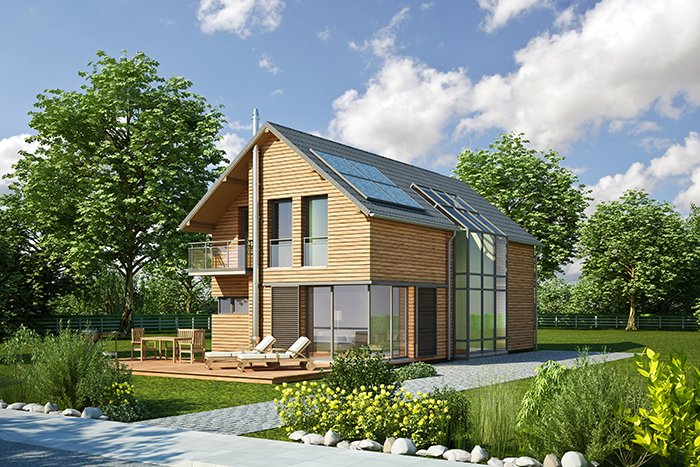
In many cases, renovating a property is a responsible choice. Modernizing an existing home reduces the amount of resources consumed and the environmental footprint associated with the materials, transportation and construction.
To make your home energy efficient, you can improve the insulation, modernize the heating systems or integrate more efficient equipment. In addition, thanks to subsidies and financial assistance programs available to homeowners, many renovations can be done at a lower cost, especially with proper planning.
Why live in a green home?
Today, many homeowners and prospective buyers are looking for more comfortable, affordable and sustainable homes. Transforming your property into a green home comes with advantages that go far beyond the environmental aspect.
Better comfort
A better-designed home improves day-to-day comfort by maintaining a stable temperature and limiting humidity and heat fluctuations. This creates a healthier and more pleasant environment for occupants.
Lower electricity consumption
Energy-efficient renovations reduce a home’s electricity consumption. Choosing well-insulated windows, efficient heaters, ENERGY STAR®-certified appliances, LED lighting and sustainable building materials reduces long-term electricity costs and maximizes returns on initial investments.
Higher property value
Green houses are increasingly sought after in the real estate market. Proper maintenance can increase their value and make them more attractive to future buyers.
Protecting the environment
Choosing more sustainable solutions reduces the environmental impact of a property. By consuming less energy and using more responsible materials, homeowners reduce greenhouse gas emissions and their home’s environmental footprint.
Improved energy efficiency
Not all renovations have the same impact on a home’s performance. With proper planning, you can identify which improvements will have the greatest impact on energy efficiency.
Assessing current energy efficiency
Many homes lose heat without it being obvious, which increases energy consumption unnecessarily. To improve a property’s energy efficiency, the first step is to identify signs of poor insulation and the main sources of heat loss. With this information, you can choose which renovations to prioritize to insulate an existing home .
A blower door test is particularly useful for detecting air leaks in the building envelope around the doors, windows and roof. Thermography can also be used to identify heat loss using a thermal camera.
You can contact an EnerGuide advisor or consult the EnerGuide labels to get a more complete picture of your home’s energy performance. This can also give you access to subsidies and help you plan your renovations.
Choosing the best energy renovations
Not all renovations are made equal when it comes to performance. In many cases, thermal insulation remains the most cost-effective investment to improve energy efficiency: air leakage accounts for up to 25% of heat loss . A better-insulated attic, walls and basement can have a major impact on comfort and heating costs.
Doors and windows also impact a home’s energy performance. Models with good thermal insulation limit drafts and help maintain indoor temperature throughout the year.
A heat pump is a popular option for heating and air conditioning. Depending on the type of installation you have and your consumption habits, it can save you up to 40% on your electricity bill . Geothermal systems are also a good solution to reduce heating and air conditioning costs by nearly 60% .
Finally, homeowners who still use oil can check what subsidies are available to replace their system with a greener option.
 |
Tips and tricks
Before starting renovations, check out our blog post 7 essential steps for finding a renovation contractor for help in planning your project. |
More energy-efficient improvements
Other improvements can make your home greener, including heated floors , which are growing in popularity due to their comfort and even heat distribution.
Solar panels are also becoming more accessible for homeowners who want to produce part of the energy they consume.
Finally, green roofs are a great option thanks to their environmental benefits, ability to improve the thermal insulation of a building and rainwater management. However, a suitable structure is required to install them, as the weight of vegetation and substrate can be considerable.
Buying local for environmentally friendly and sustainable materials
Opting for more eco-friendly materials minimizes the environmental impact of renovations while improving comfort and quality of life. Fortunately, there are plenty of environmentally friendly, innovative and non-toxic options for interior coatings and building materials, making more responsible renovations possible.
For example, eco-friendly paints contain fewer volatile organic compounds (VOCs). This helps to limit exposure to certain chemicals and improve the quality of the indoor environment for occupants. Limewash paint is a great option for owners looking for a natural, non-irritating finish. Popular for its authentic appearance and more eco-friendly composition, it helps to regulate moisture and give surfaces a unique touch.
An increasing number of homeowners are opting to buy local to minimize the environmental footprint of transporting materials. In addition to encouraging local businesses, this approach often makes it possible to obtain products that are better suited to Quebec’s climate.
Recovered and reused materials are another worthwhile strategy to limit waste from renovations while adding an original touch to your project.
Tips to reduce your daily energy consumption
To make a home more environmentally friendly, you can adopt simple everyday habits like turning off the lights, lowering the heating or using energy-efficient appliances.
Energy-intensive appliances
Even when not in use, some electronic devices continue to consume electricity. For example, TVs, computers and small appliances can increase your electricity bill by 5% to 10% without you realizing it.
To limit your electricity consumption, it is best to choose ENERGY STAR ® certified appliances for both household appliances and heating and air conditioning equipment. These devices typically consume up to 25% less energy while maintaining good performance.
Smart power bars with a timer are also a simple solution to automatically switch off certain devices during the night or periods of inactivity.
Before going on holiday or during extended absences , take a moment to unplug easy-to-access devices to avoid unnecessary energy consumption.
Water consumption
Reducing your water consumption helps make your home greener. Installing low-flow plumbing fixtures like shower heads, taps and toilets reduces the amount of water used each day without compromising pressure or comfort.
Changing certain habits, such as washing clothes in cold water, can reduce energy consumption and have a positive impact on the environment. For higher energy savings, hang your clothes to dry rather than using the dryer.
Rainwater recovery is a great solution to water the garden. Some systems can even be connected to storage tanks that supply toilet tanks.
Temperature and lighting
Smart thermostats offer better temperature control and adjust heating and air conditioning to your lifestyle without compromising on comfort.
For lighting, LED bulbs are more efficient and sustainable than incandescent bulbs, since they consume 75% to 90% less electricity . Adding electronic dimmers also allows you to adjust lighting according to the time of day.
|
Tips and tricks
Several other initiatives can help reduce your environmental impact, such as composting, greening your yard, setting up a vegetable garden and using reusable packaging. |
Loans, subsidies and financial assistance for a greener home
Making your home greener involves certain investments. Fortunately, a number of loans, subsidies and financial assistance programs can help reduce the cost of your energy-efficient renovations.
|
|
||
|
Subsidy |
Description |
Amount allocated |
|
For first-time buyers who want a GST/HST rebate, for new or substantially renovated homes. |
Up to $50,000 for a property valued up to $1 million. Partial rebate for a property valued between $1 million and $1.5 million. |
|
|
To purchase an eco-friendly home or renovate an existing property. |
25% of your CMHC insurance premium. |
|
|
To assess and improve your home’s energy efficiency (insulation, doors and windows, heating and ventilation systems, etc.). |
Up to $20,000 for owners of single-family homes. Up to $40,000 for owners of duplexes, triplexes, or multi-unit residential buildings. |
|
|
To build Novoclimat-approved homes that offer greater comfort and energy savings. |
The first owner of a new Novoclimat-approved home receives $2,000 in financial assistance ($4,000 for a first-time buyer). If an eligible heat pump is installed, the owner may be eligible to receive additional financial assistance. |
|
|
Subsidies to improve the thermal envelope of buildings or build energy-efficient homes. |
Efficient Renovation Program, which provides up to $100,000. $850 subsidy for a high-efficiency combo system. Up to $100 when you buy and install a smart thermostat. |
|
|
Financial assistance granted under the LogisVert program to implement energy efficiency measures and purchase high-performance equipment (heat pump, induction stove, pool heater, etc.). |
The amounts vary depending on the eligible equipment and expected energy savings. For a heat pump, the financial assistance is $50 per 1,000 BTU of heating at −8 °C or $120 per 1,000 BTU/h at −8 °C for “cold-climate” models. It can go up to $6,700. For an electric thermal storage (ETS) system and central heat pump, the grant can be up to $22,000. |
|
|
Homeowners and tenants with modest incomes can receive personalized advice and small energy upgrades at no cost. |
Free services. |
|
|
For low- and modest-income families living in rural areas whose homes require major work. |
This grant may cover up to 95% of the approved cost for the eligible work, up to $20,000. |
|
|
Municipalities |
Some towns and cities offer subsidies, financing or even tax breaks when you buy a certified home. |
Varies by municipality. |
|
Financial institutions |
A number of banks offer discounts or a lower mortgage rate to purchase an energy-efficient home. |
Varies by financial institution. |
Making your home greener: a question of planning
Whether you are looking to reduce your energy consumption, improve your comfort or reduce your energy costs over the long term, there are multiple solutions to make a home greener.
Addressing major heat loss, assessing energy efficiency, modernizing heating systems and adopting better consumption habits are all solutions that improve a property’s overall performance. Even simple changes like using more efficient appliances, recovering rainwater or washing clothes with cold water improve your ecological footprint.
In short, strategically planning the work by prioritizing the most cost-effective renovations will help you reduce your energy consumption gradually while increasing the value of your property in the real estate market.

| The information provided in this article is for informational purposes only and does not constitute financial, legal, professional or other advice or opinions. As such, we make no warranties, express or implied, as to the accuracy, reliability, integrity or exhaustiveness of this information, which you use at your own risk. In no event shall Centris be held liable for actions made on the basis of the information contained in this article or for any damage or loss, direct or indirect, that may result from, or in connection with, the use thereof. We recommended consulting with industry professionals for personalized advice before making any decisions. |
See also:
Eco-friendly homes: all you need to know about sustainable houses