The Largest Number of Homes for Sale
New homeowner: 5 things to plan for before the cold weather sets in
Have you bought your first home, set up your furniture, and picked your favourite room? Now it’s time to find out how it holds up during the winter. When snow removal, heating, and gutters become your responsibility, home maintenance takes on a very real dimension.
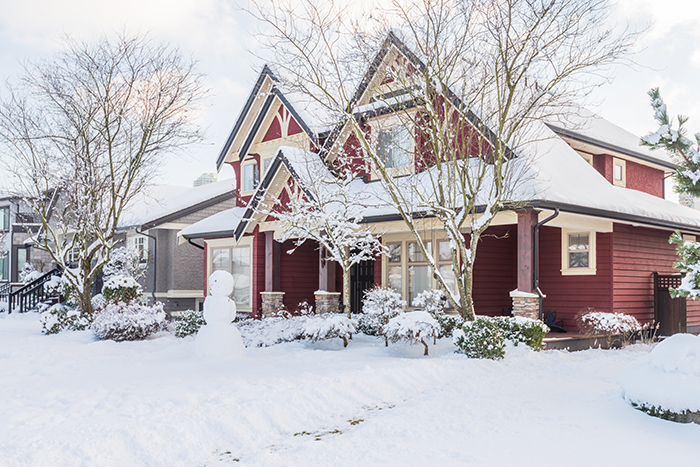
What do you need to prepare before the cold weather sets in, what warning signs should you watch for, and what additional expenses will you need to factor into your budget? The answers vary depending on the building’s age, construction, insulation, and amenities. This five-step guide will help you get your bearings—from fall preparations to improvements to consider in the spring—so you can tackle your first winter with confidence.
1. Get to know your home
A home doesn’t reveal all its secrets when you get the keys. Familiarize yourself with the systems that ensure your comfort and the areas that need your attention. The better you know them, the better you’ll know where to focus your efforts before winter.
Review the documents related to the purchase
Don’t put away the pre-purchase inspection report too quickly! Its assessment of the roof, windows, plumbing, and heating system will help you identify the most important items to check.
The Declarations by the Seller and past invoices detail the repairs and maintenance that have been performed. As for the appliance manuals, they’ll help you get familiar with the settings and instructions for your type of heating system.
If you’re buying a condo, be sure to also review the declaration of co-ownership, the latest minutes from the syndicate, and—when available—the maintenance log and asset management plan.
Locate important controls and equipment
In an emergency, you’ll save precious time if you know where the essential controls and equipment are located. Take advantage of a quiet moment to locate the following items:
- The main water supply and shut-off valves
- The electrical panel
- Thermostats, heating controls, and the heating filter, if applicable
- Smoke and carbon monoxide detectors
- The sump pump, if your home has one
Unfamiliar with a device? Consult its manual to understand how it works and identify its controls.
Inspect the exterior before the snow falls
While the ground is still clear, check the foundation, doors, windows, and outdoor faucets. Then look up at the gutters, downspouts, and the parts of the roof visible from the ground. Also pay attention to trees and branches near the building.
Finally, picture the area covered in snow: which paths will need to remain clear? Identify access points to exits and equipment, then choose a spot to pile up the snow.
2. Get a head start on winter
You don’t want to find out when the first snowfall hits that your snowblower won’t start or your heating system isn’t working. Without undertaking a major project, there are a few preparations worth adding to your calendar:
- Heating and safety:
Clean or replace filters according to the manufacturer’s instructions, and test your smoke and carbon monoxide detectors. If you heat with wood, make sure your chimney has been swept recently, and don’t wait until temperatures drop to stock up on firewood. - Outdoor features:
Shut down and drain any outdoor features that require it, such as hot tubs and swimming pools. Next, store or protect outdoor furniture and equipment. - Protecting the building:
Clean the gutters, inspect the caulking, and identify any pipes located in areas that are poorly heated or exposed to the cold. - Snow removal:
Gather your equipment and check the condition of your tools before using them for the first time.
Also, put together an emergency kit and familiarize yourself with the precautions to take in the event of a power outage.
This list covers the essentials; to go further, take the time to review other fall preparations as well as the tasks to be completed this winter.
3. Recognize the signs to avoid unpleasant surprises
A colder room, fogged-up windows, ice forming in the same spot: the first cold snaps sometimes reveal what summer visits didn’t show. Without trying to make a diagnosis, pay attention to issues that persist, get worse, or appear suddenly.
|
|
|
|
Signs to watch for |
Details |
|
Temperature variations |
Rooms that remain cold despite heating, uncomfortable floors, and drafts near doors and windows. |
|
Moisture and condensation |
Persistent fogging, water on window sills, interior frost, and musty odours. |
|
Traces of water |
New stains, peeling, or blistering paint and damp areas near walls, ceilings, or foundations. |
|
Pipes exposed to freezing temperatures |
Pipes running along exterior walls or through poorly heated areas. |
|
Snow and ice |
Unusual ice buildup on the roof, recurring icicles, and water pooling during thaws—observable from the ground. |
|
Heating system operation |
Unusual noises or odours and difficulty maintaining the desired temperature. |
Drafts and humidity: a few targeted steps
Before deciding that you need to replace your windows, try to identify where cold air is coming in. Depending on the situation, replacing weatherstripping or installing window insulation film can help improve comfort. However, if there’s significant air infiltration, you should consult a specialist.
If you notice condensation on your windows, start by measuring the humidity level in your home using a hygrometer. The generally recommended range is between 30% and 50%. In winter, keeping this level around 30% can reduce condensation. Keep an eye on your windows and other surfaces, though, as a reading alone isn’t a substitute for a visual inspection.
There are a few habits that can help limit excess humidity, such as running the range hood while cooking and the bathroom fan while showering, then letting the fan run for a few minutes afterward. Even in cold weather, briefly opening a window can also help control humidity in the winter. A dehumidifier can be useful, but it does not replace fixing a leak or a ventilation problem.
Water leaks and roofing: knowing when to take action
A stain on the ceiling or a damp spot in the basement is not, on its own, enough to identify the cause of the problem. Rather, these signs indicate that you should check for a possible water leak and have the situation assessed if necessary.
Accumulations of snow and ice on the roof also require vigilance. When snow removal is necessary, it’s best to hire a company with the appropriate equipment and methods to avoid damaging the roof covering.
Should you handle it yourself or call in a specialist?
Simple, straightforward tasks—such as replacing the batteries in a smoke detector or cleaning a filter according to the manual—can be done by yourself if you’re comfortable doing so. However, a water leak, a growing crack, an electrical problem, or a heating system malfunction warrants a professional assessment. Your experience, the specific features of the equipment, and the severity of the situation should guide your decision. If a problem persists, worsens, or appears to compromise safety, do not delay having it checked.
Take the time to choose your contractor and check with your municipality to find out if the work requires a permit or other authorization.
4. Organize your daily routine and winter budget
A pile of snow to clear before heading to work, a vacation to plan, a heating bill to factor into your budget: living in a house also requires a bit of organization. Some tasks that were previously handled by others are now your responsibility.
Ensure maintenance and safety of access points
The entrance, stairs, exits, and outdoor walkways must remain accessible. Clear snow and ice from them using a shovel, an ice scraper, grit, and an ice-melting agent suitable for the surfaces. If you hire a snow removal service, make sure you know which areas are covered by the contract and which ones will remain your responsibility.
Ensuring safe access is also your responsibility as a property owner. Inadequate maintenance may result in civil liability if someone is injured on an icy or snow-covered surface.
Pile snow in the designated area without blocking walkways or pushing it against the foundation. In a condominium, clarify with the homeowners’ association who is responsible for maintaining common areas and private access points.
Prepare for extended absences
Going away for a few days? The heat must continue to run and access points must remain clear even while you’re away. Review the terms of your home insurance policy and entrust the care of your home to someone you trust. Give them your contact information and any instructions needed to protect your home until you return.
Make room for winter expenses
Heating won’t necessarily be the only expense to add to your household budget. Here are some other expenses to plan for:
- Snow removal services, if you use them
- Heating system maintenance and filter replacement
- Purchasing tools, abrasives, and de-icing agents
- Minor repairs
- A contingency fund for unexpected professional services
Your first bills will serve as a reference for future winters. Keep them on hand to adjust your estimates and identify habits that can reduce heating costs, depending on the equipment installed.
 |
Tips and tricks
Build a small directory of heating, plumbing, and electrical specialists, including those who offer emergency service. This way, you’ll avoid having to start your search when a problem arises. |
5. Prepare for spring throughout the winter
When the warm weather returns, your observations can guide the improvements you need to make to your home. However, you’ll need to keep a detailed record of them to determine the next steps.
For each issue to be assessed, note the following:
- The date and weather conditions when the issue first appeared
- The exact location, along with photos
- Its frequency and progression, to distinguish a one-time occurrence from a recurring problem
- The steps taken and their results, so you know what still needs to be addressed
This information will help you explain the situation to a specialist and set priorities before the next winter. However, an urgent problem must be addressed immediately, without waiting for spring.
|
Tips and tricks
Compile these notes in a logbook, along with maintenance dates, invoices, and contact information for the professionals you’ve consulted. You can also create a home email address, e.g., [email protected], to centralize all correspondence with various professionals. This will provide you with a history that’s easy to update over the years. |
Your home is ready for winter… and so are you!
When you bought your home, you may have paid more attention to the kitchen’s appearance than to the condition of the caulking, or to the front yard than to the heating system… and that’s perfectly normal! Then winter arrives, and you get to know your home in a whole new way. You discover the joy of watching the first snowflakes fall from the window, the light streaming into the living room on a snowy morning, or even the small adjustments that make your daily life more comfortable.
FAQ
1. Why do I get condensation on my windows in the winter?
Condensation forms when humid air comes into contact with a windowpane that’s cold enough. Occasional condensation is normal. However, persistent fogging, frost, or water accumulating on the window sills should be monitored.
2. Should I leave my heat on when I’m away for several days in the winter?
Yes. Leaving a house unheated can result in frozen water pipes and damage. Maintain a temperature of at least 10°C and check the requirements of your home insurance policy. Also, arrange for a trusted person to check on the property.
3. What are the signs of poor insulation in winter?
Rooms that are hard to heat, cold floors, temperature variations, or drafts are signs to watch out for.

See also:
Fall home maintenance checklist